EMS suit
Electrodes deliver a controlled signal during movement.
Our vision
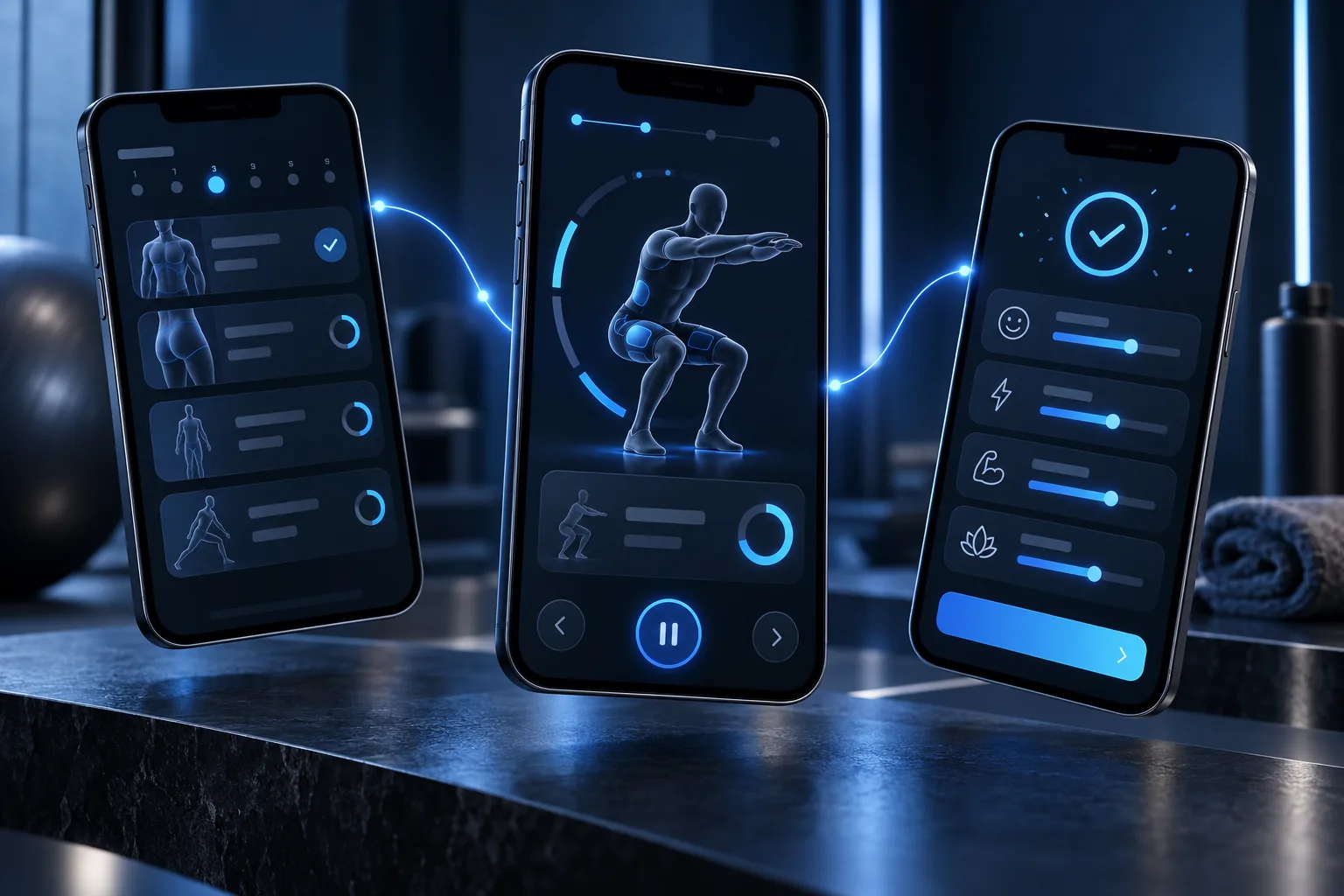
Our vision is to build a Made in India, high-technology ecosystem connecting an EMS suit, clear training guidance, software and wellness spaces.
Building with KSL?
Start an investor conversationThe opportunity
A useful product starts with a clear training experience.
The suit supplies an electrical signal. People still need simple instructions, a plan, feedback and support. KSL wants to connect those parts so training feels easier to start and easier to continue. EMS is the first piece of a wider physical intelligence ecosystem.
Physical intelligence
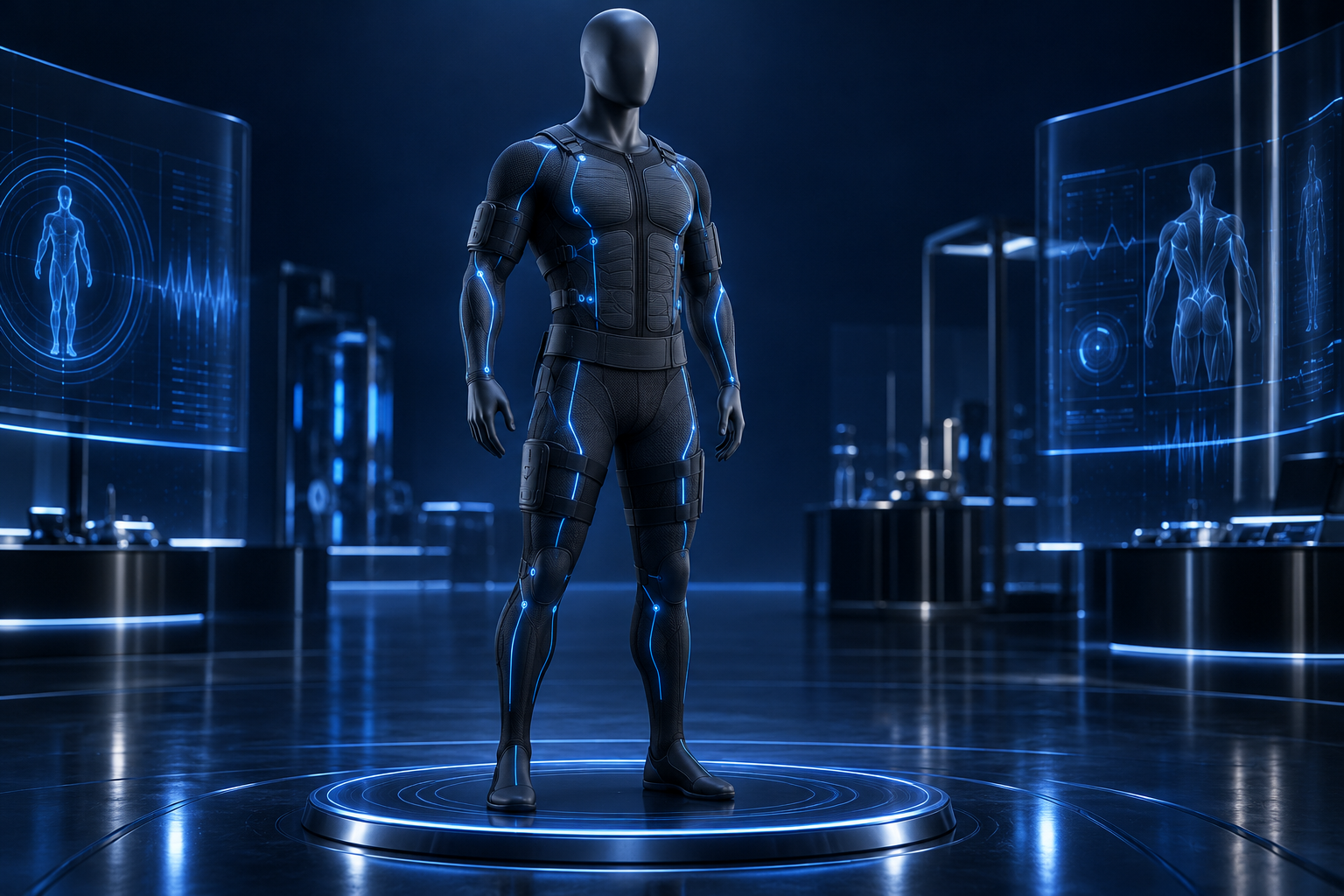
Electrodes deliver a controlled signal during movement.
Simple instructions explain what to do and why.
Planning and check-ins make the next step easier to find.
Human guidance and modern wellness bring the system to life.
Current guided EMS sessions use XBody equipment. The personal KSL suit, app, assistant and broader centre ecosystem remain in design or planning.
The business we want to build
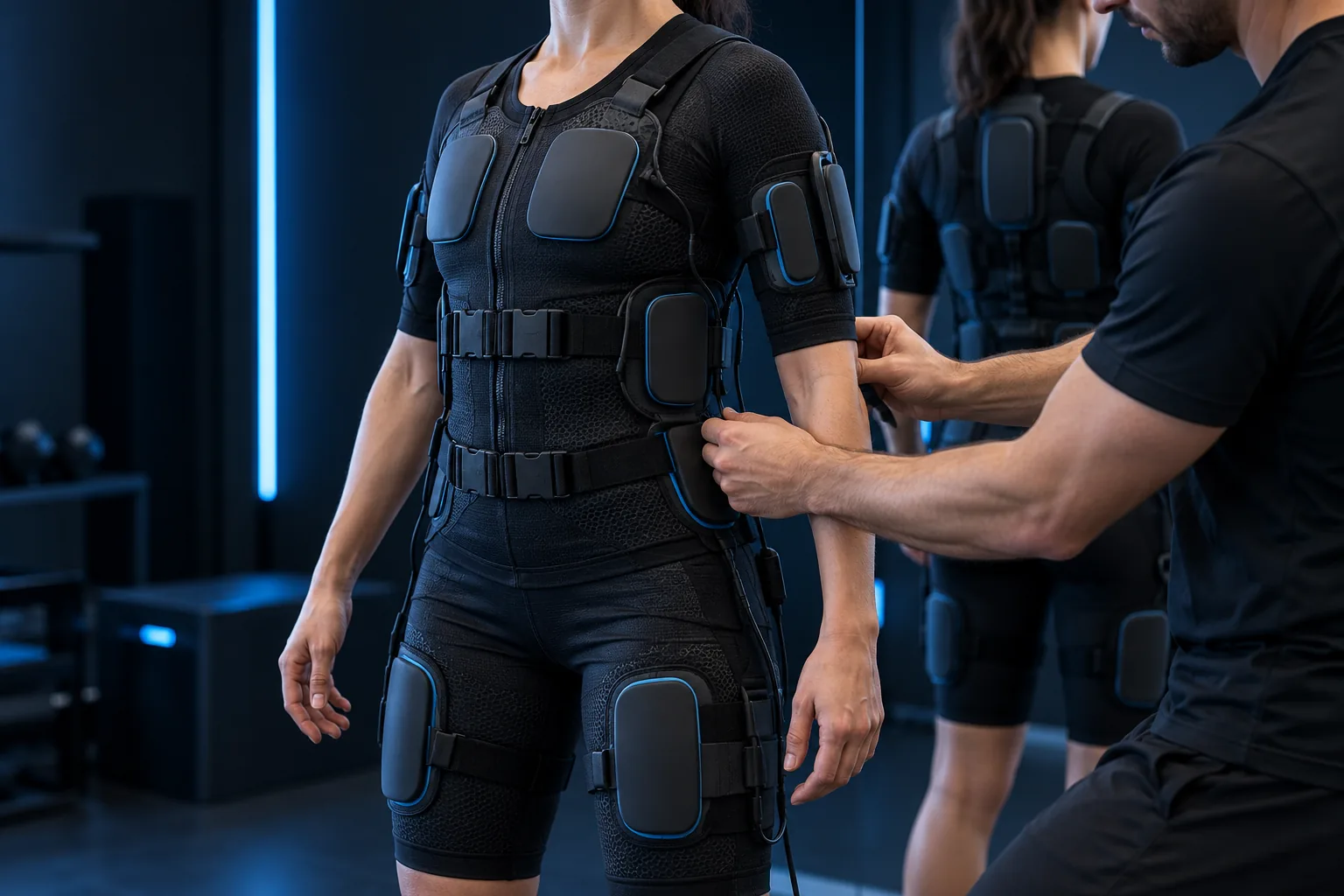
A proposed KSL-designed EMS suit. Hardware sales are a future business model, dependent on engineering, validation and market readiness.
Programmes, app-based planning and an assistant. A recurring digital offering is an ambition; there is no live KSL subscription today.
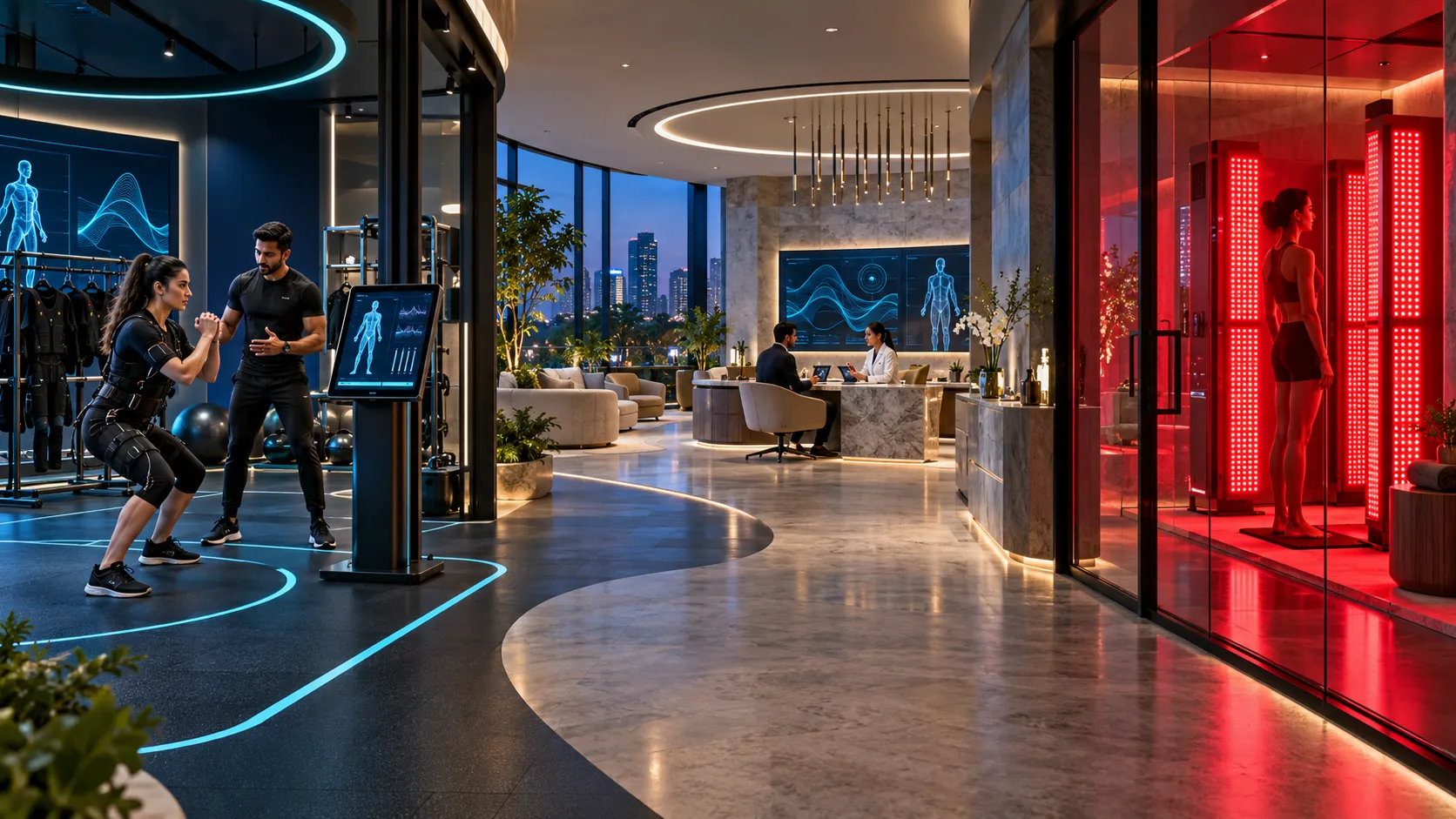
Guided training and a planned centre experience. Spaces can provide an introduction, support and a direct connection with the people using the system.
This is a proposed model. Investment decisions should use validated costs, demand and unit economics as they are developed.
What exists today
Guided EMS services using XBody equipment and software, with founder-led training experience.
The proprietary KSL suit, connected app, always-on assistant and broader centre model.
Service delivery gives us a practical view of setup, guidance and repeat use. The next stage is to test whether those insights can become a dependable proprietary product.
Made in India
We want core product capability to grow in India.
The ambition covers garment design, electronics, software, manufacturing and support. A focused start in India could help us learn from real use. Entering other markets would require reliable supply, evidence, service and local requirements.
Global ambition. Market-by-market readiness.
Execution
Intended use, user needs, architecture and safety requirements.
Hardware and software feasibility, fit and experience testing.
Evidence, quality systems, manufacturing and applicable market requirements.
An appropriately supported product, with a clear intended use.
These are development dependencies, not promised launch dates. Scope and timing depend on feasibility, resources and validation.
Investment & collaboration
We are seeking aligned conversations around the next development stage.
Relevant areas include capital, hardware engineering, manufacturing, software and evidence generation. The conversation starts with the development milestones, proposed use of resources and operating assumptions. We want partners who understand what it takes to bring hardware and software into a dependable everyday experience.