Help with the everyday questions
Intended examples include finding a planned session, explaining a programme instruction or preparing questions for a trainer. These illustrate a product direction, not working features.
The KSL system
Our vision is an assistant that helps people navigate their training routine—not just another screen to check.
Interested in the connected system?
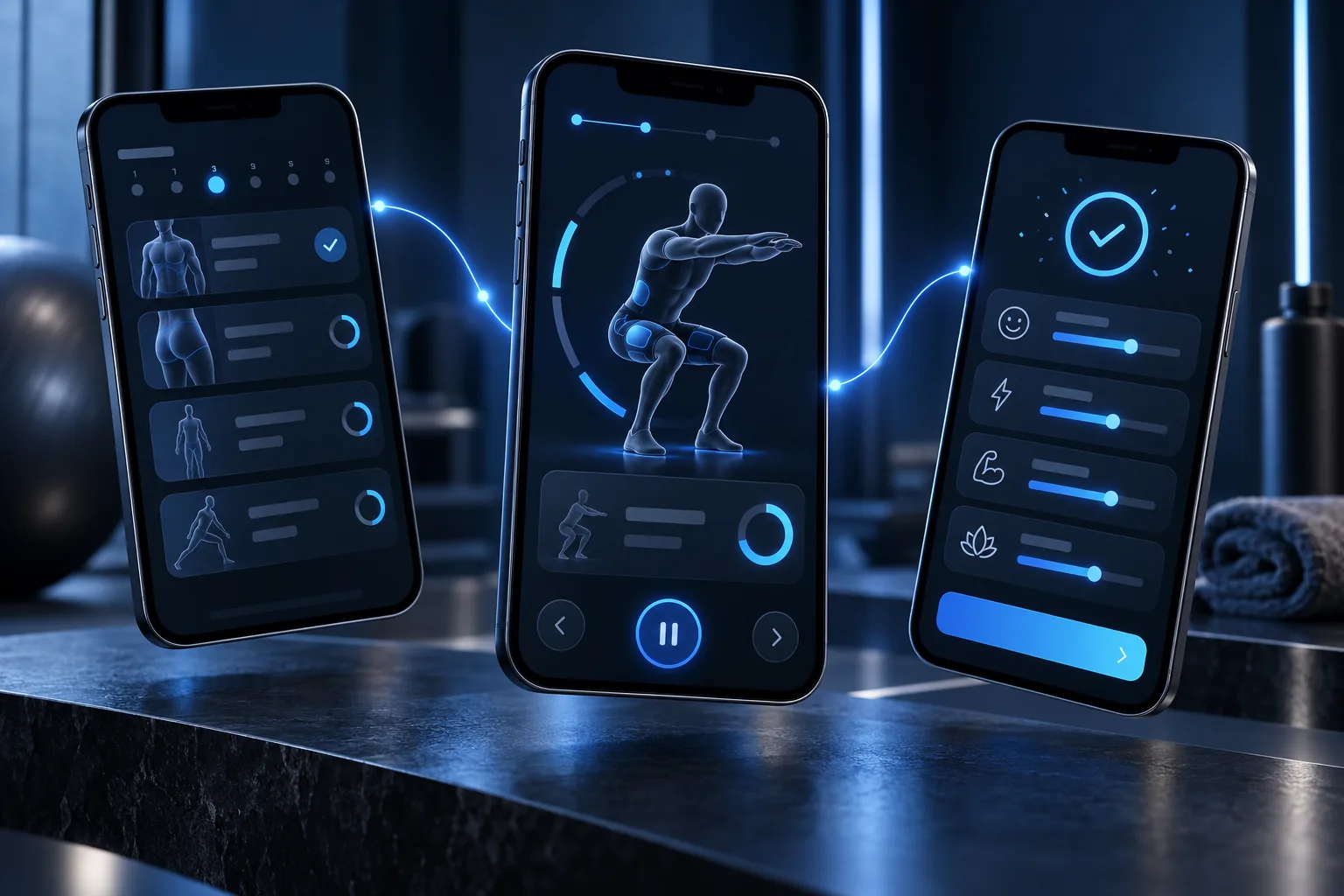
Talk about a partnershipStart here. Current KSL sessions use XBody equipment. The personal KSL suit, connected app and assistant described here are proposed products in design.
Intended examples include finding a planned session, explaining a programme instruction or preparing questions for a trainer. These illustrate a product direction, not working features.
A future assistant could help organise session check-ins and bring relevant feedback into a conversation with the training team, with appropriate permission.
The intended role is practical continuity between people and sessions, with clear boundaries.
Locate planned sessions, instructions and relevant programme information.
Make a movement instruction understandable and surface a question for the trainer.
Bring a member’s own check-in into a useful conversation, with appropriate permission.
Point symptoms, clinical questions and uncertain decisions to the right human professional.
No. Autonomous EMS control and continuous medical monitoring are not part of the stated assistant experience.
Medical questions, unexpected symptoms and decisions outside the assistant’s scope should reach qualified people. Automated answers must not be presented as clinical assessment.
It does not mean continuous medical monitoring or autonomous stimulation. The KSL assistant is in concept and design; capabilities will depend on development and validation.