Whole-body EMS vs. high-intensity resistance exercise.
Kemmler et al., 2016. A randomized controlled study of body composition and strength. Open the original paper for its protocol, results, and limitations.
Start with EMS. Build the suit, software, and training experience around it.
EMS delivers controlled electrical impulses through electrodes against the skin. Those impulses stimulate muscle contractions while you perform guided movements.
The suit is one part of the experience. Screening, coaching, programming, and recovery matter too.
EMS applies electrical pulses through skin-contact electrodes to stimulate motor nerves. Those nerves activate muscle fibres. Guided movement turns that stimulus into a training session.
A controller produces timed electrical pulses. Frequency, pulse width, and amplitude shape the stimulation.
Electrodes distribute the signal across selected muscle groups. Contact quality and suit fit affect delivery.
Work and rest intervals alternate with guided movements. Intensity is adjusted to the person and the session.
Progression includes recovery between sessions. More stimulation is not automatically better training.
These explain the mechanism, not recommended settings. Protocols depend on the equipment, screening, and qualified supervision.
Choose a focus. Preview a session. See how a KSL app and AI assistant could bring your training into one place.
Interactive concept. No live body data, AI advice, or suit control. KSL’s app and AI are in design.
A little stronger, every session.
Illustrative interface · not a training prescription
Conventional resistance training uses external resistance. Whole-body EMS adds electrical stimulation to guided movement.
The difference is in how the stimulus is delivered. Results depend on who trains, how they train, and what is measured.
Two ways to deliver a training stimulus.
Illustration of the mechanisms, not a comparison of results.
Electrodes stimulate muscle contractions alongside guided movement. The protocol determines how the stimulus is applied.
| The question | Whole-body EMS | Resistance training |
|---|---|---|
| The stimulus | Electrical stimulation alongside movement. | Movement against weights, machines, bands, or body weight. |
| Progression | Program, movements, and stimulation settings. | Load, sets, repetitions, and exercise selection. |
| The setup | A compatible EMS system, screening, and qualified guidance. | Equipment and supervision vary with the person and program. |
| The result | Depends on the person, protocol, consistency, and recovery. No universal time-to-results conversion. | |
A study is a specific question, tested in specific people. It is not a promise of your results.
Start with the research design. Then look at the participants, comparison group, and outcomes.
Kemmler et al., 2016. A randomized controlled study of body composition and strength. Open the original paper for its protocol, results, and limitations.
Find systematic reviews and meta-analyses on PubMed. Check the populations and study quality before applying a conclusion.
Published EMS research does not validate a future KSL product. Our own hardware and software will require evaluation for their intended use.
EMS is not suitable for everyone. Medical history, contraindications, and the equipment’s instructions all matter. Begin with a qualified suitability assessment.
Ask about trainingOur current service uses a fully functional XBody suit and app. Our next step is to develop the KSL system.
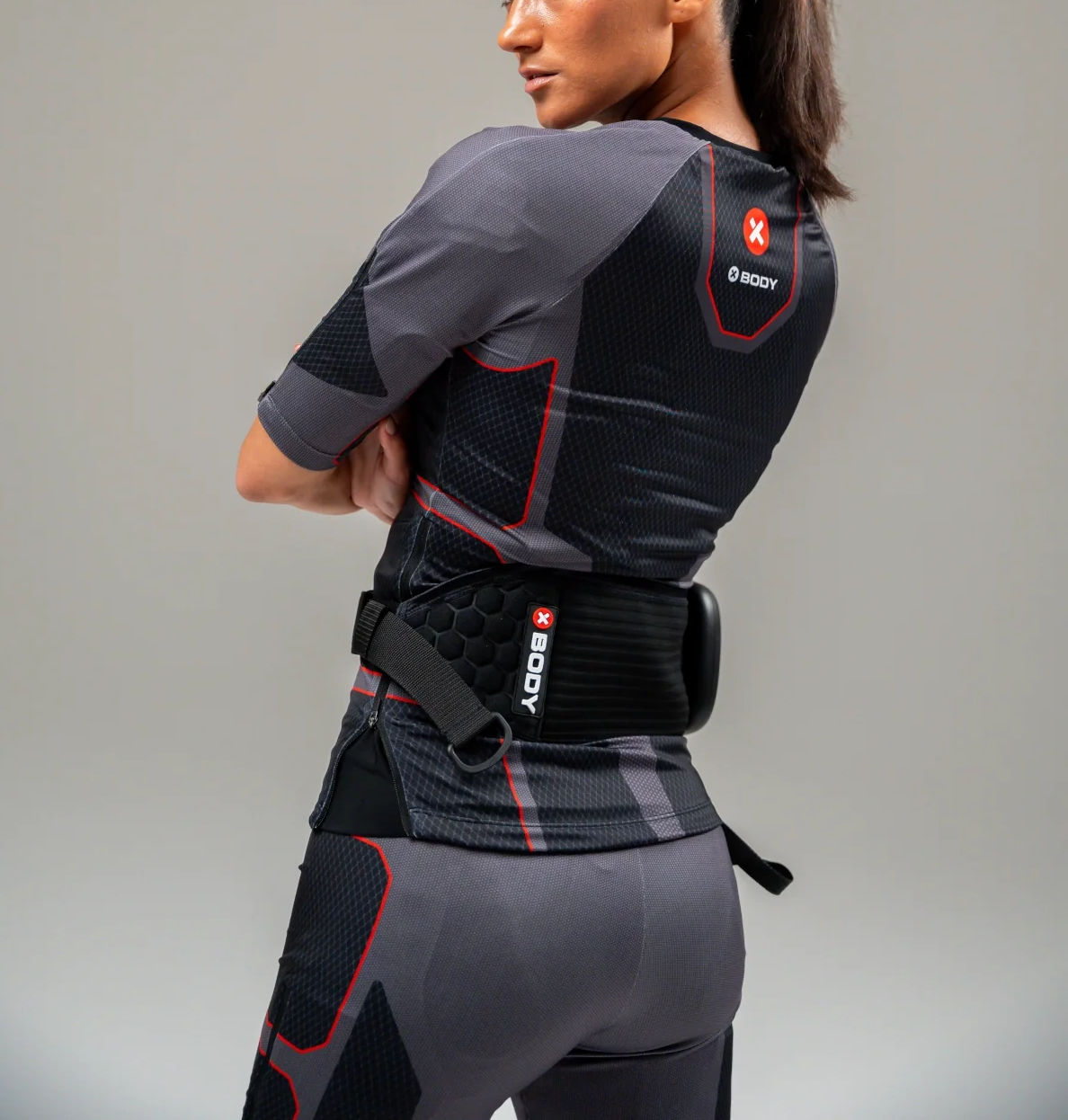
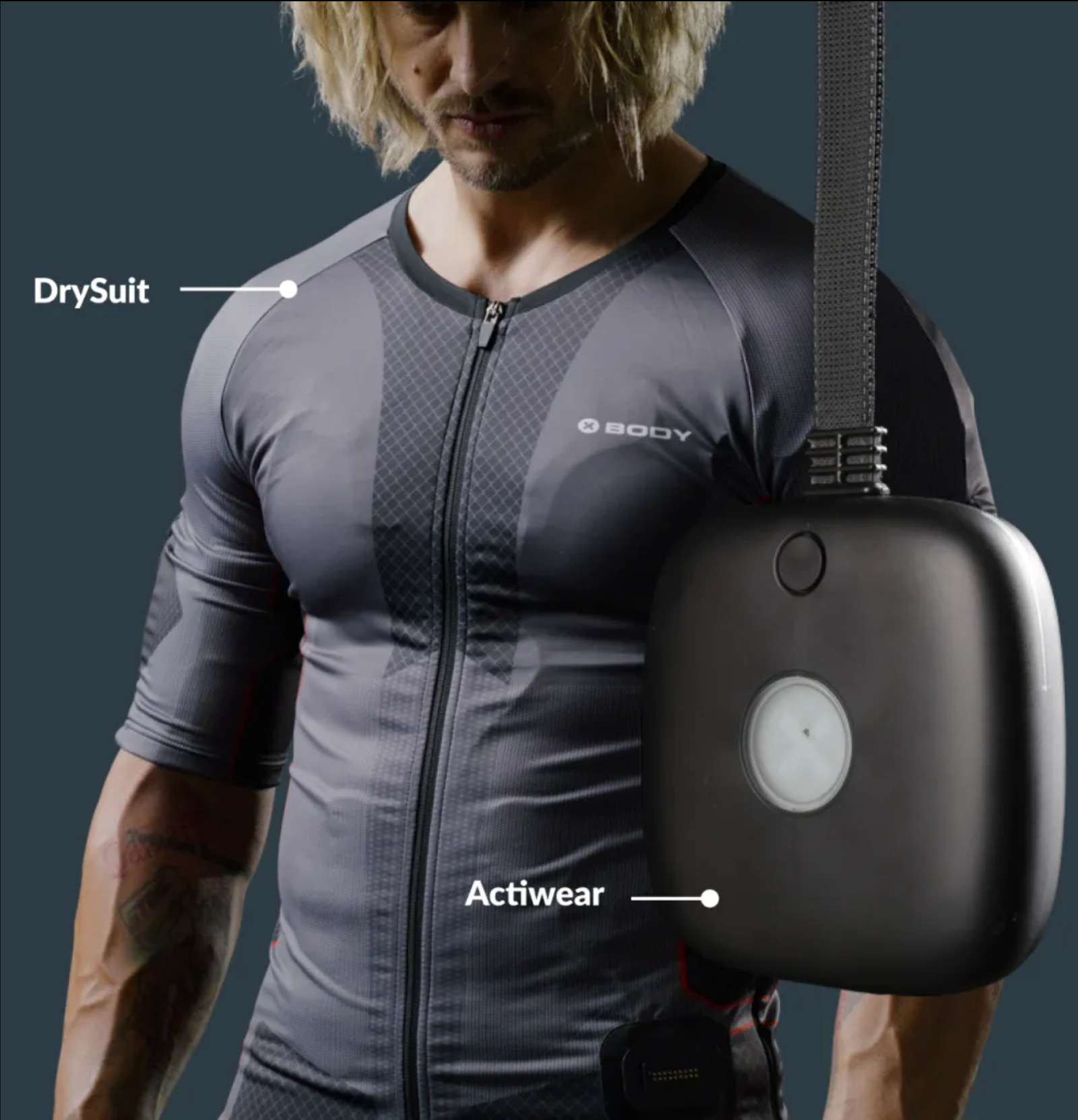
Supervised EMS training using XBody hardware and software, alongside strength coaching in Bengaluru. Explore the XBody DrySuit
Our own Made in India hardware and a connected software experience. Designed together, under one umbrella.
AI-assisted training, connected programs, centres, and the wider KSL experience. An ecosystem that grows with personal suit ownership.
For training, investment,
and building the technology.